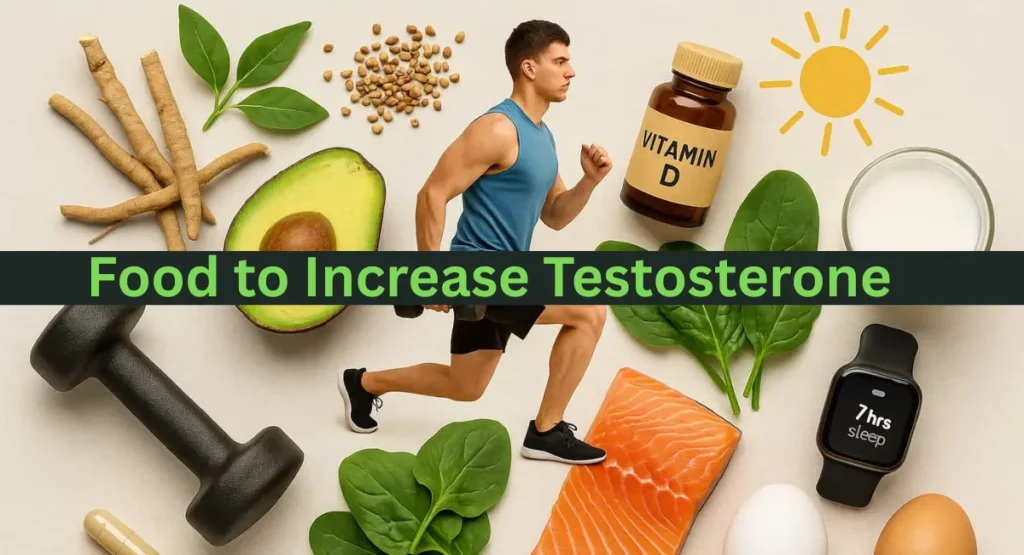
Testosterone is one of the most important hormones for overall male health. It plays a key role in muscle strength, energy levels, mood stability, sexual health, bone density, and even mental focus. When Testosterone levels drop, many men experience fatigue, low motivation, weight gain, reduced libido, and difficulty building muscle.
The good news is that food and lifestyle choices have a powerful influence on Testosterone levels. You don’t always need medication. In many cases, the right diet combined with healthy habits can naturally support and improve Testosterone production.
In this article, I will explain—step by step—which foods increase Testosterone, why they work, and how you can include them in your daily routine in a safe and practical way.
Understanding Testosterone and Its Role in Men’s Health
What Is Testosterone?
Testosterone is a naturally produced male hormone mainly made in the testes. Smaller amounts are also produced in the adrenal glands. Although women also have Testosterone in lower quantities, it is especially important for men.
Testosterone levels usually peak in early adulthood and gradually decline with age. However, poor diet, lack of sleep, stress, obesity, alcohol consumption, and environmental toxins can cause Testosterone to drop faster than normal.
Why Healthy Testosterone Levels Matter
Healthy Testosterone levels help maintain:
- Lean muscle mass and physical strength
- Healthy sex drive and reproductive function
- Stable mood and mental clarity
- Strong bones and joints
- Proper fat distribution and metabolism
When Testosterone is balanced, the body functions more efficiently, energy levels remain stable, and overall quality of life improves.
What Foods Boost Testosterone Naturally?
Diet plays a direct role in hormone production. The body uses nutrients from food to create and regulate hormones, including Testosterone. Certain foods provide the raw materials your body needs, while others protect Testosterone from breaking down.
Protein-Rich Foods That Support Testosterone
Protein is essential for hormone production and muscle repair. Low protein intake can negatively affect Testosterone levels.
Good protein sources include:
- Eggs
- Lean meats
- Fish
- Beans and legumes
- Shellfish
Protein also helps control body fat, which is important because excess body fat can convert Testosterone into estrogen, reducing its effectiveness.
Healthy Fats – Essential for Testosterone Production
Why Healthy Fats Are Important for Testosterone
Testosterone is made from cholesterol. This does not mean unhealthy fats are good, but healthy fats are necessary for hormone production. Diets that are too low in fat can actually reduce Testosterone levels.
Healthy fats support:
- Hormone synthesis
- Cell membrane health
- Absorption of fat-soluble vitamins
Best Sources of Healthy Fats
- Avocados
- Extra virgin olive oil
- Nuts and seeds
- Fatty fish
Including moderate amounts of these fats daily supports stable and healthy Testosterone levels.
Micronutrients That Help Increase Testosterone Levels
Micronutrients are vitamins and minerals needed in small amounts, but their impact on hormone health is significant.
Zinc-Rich Foods for Testosterone Boost
Zinc is one of the most important minerals for Testosterone production. Zinc deficiency is commonly linked to low Testosterone levels.
Top zinc-rich foods include:
- Oysters
- Pumpkin seeds
- Shellfish
- Legumes
Zinc also supports sperm health and immune function.
Magnesium-Rich Foods for Hormonal Balance
Magnesium helps regulate hormone signaling and reduces inflammation, which can interfere with Testosterone production.
Foods rich in magnesium include:
- Spinach
- Kale
- Bok choy
- Broccoli
- Other dark green leafy vegetables
Regular intake of magnesium-rich foods supports both muscle recovery and hormone balance.
Vitamin D Sources for Testosterone Support
Vitamin D acts more like a hormone than a vitamin. Low vitamin D levels are often linked with low Testosterone.
Good sources include:
- Fatty fish
- Eggs
- Fortified milk and plant-based milks
- Sunlight exposure
Maintaining healthy vitamin D levels supports natural Testosterone production.
Powerful Fruits and Vegetables That Increase Testosterone
Fruits Known to Support Testosterone
Certain fruits contain antioxidants that protect Testosterone from oxidative damage.
Best fruits include:
- Pomegranate
- Avocados
- Berries
- Cherries
- Red grapes
Pomegranate is especially known for improving blood flow and supporting hormonal health.
Vegetables That Help Boost Testosterone
Vegetables help reduce inflammation and support detoxification.
Key vegetables include:
- Onions
- Garlic
- Dark green vegetables
- Cruciferous vegetables like broccoli and bok choy
Onions and garlic help stimulate hormone release and improve circulation.
The Mediterranean Diet for Healthy Testosterone
Why the Mediterranean Diet Stands Out
The Mediterranean diet is widely recommended for heart and hormone health. It focuses on whole foods, healthy fats, and anti-inflammatory ingredients.
This diet helps:
- Reduce chronic inflammation
- Improve insulin sensitivity
- Support stable Testosterone levels
Key Components of the Mediterranean Diet
Vegetables and Fruits
Daily intake of colorful vegetables and fruits provides antioxidants and fiber.
Legumes and Nuts
Beans, lentils, almonds, and walnuts support zinc and magnesium intake.
Seafood
Fish provides omega-3 fatty acids that reduce inflammation.
Extra Virgin Olive Oil
A primary fat source that supports hormone production.
Polyphenol-Rich Foods That Protect Testosterone
The Protective Role of Polyphenols
Polyphenols are plant compounds that protect cells from damage. They help prevent the breakdown of Testosterone caused by oxidative stress.
Best Polyphenol Sources
- Berries
- Red grapes
- Olives
- Green tea
- Cocoa products
These foods support overall hormonal health and improve blood circulation.
7 Foods That May Help Boost Testosterone
- Fatty fish
- Eggs
- Dark green leafy vegetables
- Oysters and shellfish
- Avocados
- Berries and pomegranates
- Pumpkin seeds
Including these foods regularly can naturally support Testosterone levels.
Vegetarian Foods to Increase Testosterone Naturally
8 Power-Packed Vegetarian Foods
- Pumpkin seeds – Rich in zinc
- Spinach – High in magnesium
- Fortified plant-based milk – Vitamin D support
- Pomegranate – Improves blood flow
- Ginger – Reduces inflammation
- Onions – Supports hormone release
- Beans and legumes – Zinc and plant protein
- Ashwagandha – Helps reduce stress hormones
Foods to Limit for Healthy Testosterone Levels
Foods That May Lower Testosterone
- Excess sugar and processed foods
- Alcohol
- Trans fats
- Packaged foods with BPA
Limiting these foods helps protect natural Testosterone production.
Lifestyle Changes That Support Testosterone Along With Diet
Exercise Regularly
Strength training and moderate cardio help increase Testosterone naturally.
Sleep and Stress Management
Poor sleep and chronic stress increase cortisol, which lowers Testosterone.
Reduce Environmental Hormone Disruptors
Avoid BPA by using glass containers instead of plastic.
Additional Natural Tips to Increase Testosterone Levels
- Maintain a balanced whole-food diet
- Manage body weight
- Stay physically active
- Reduce stress
- Sleep at least 7–8 hours daily
A Healthy Diet for Healthy Hormones
Testosterone health is not about one food or one habit. It is about consistency. A balanced diet, regular movement, proper sleep, and stress control work together to support hormone balance.
When to See a Doctor for Low Testosterone
If symptoms persist despite lifestyle changes, consult a healthcare professional for proper testing and guidance.
Final Words
Food plays a powerful role in supporting Testosterone naturally. By choosing nutrient-dense foods, avoiding harmful habits, and maintaining a healthy lifestyle, men can protect and improve their hormonal health safely and effectively.
Frequently Asked Questions (FAQs) About Food to Increase Testosterone
1. What is the best food to increase Testosterone naturally?
Foods rich in healthy fats, zinc, magnesium, and vitamin D are best for increasing Testosterone naturally. Examples include eggs, fatty fish, oysters, pumpkin seeds, spinach, avocados, and pomegranate. These foods provide essential nutrients needed for hormone production and balance.
2. Can diet alone improve Testosterone levels?
Diet plays a major role, but it works best when combined with proper sleep, regular exercise, stress control, and a healthy body weight. A poor lifestyle can reduce Testosterone even if the diet is good.
3. How fast can food increase Testosterone levels?
There is no overnight result. With consistent healthy eating, most people may notice improvement in energy, mood, and strength within 3–6 weeks. Hormonal balance improves gradually with regular habits.
4. Are eggs good for Testosterone?
Yes. Eggs contain high-quality protein, healthy fats, and vitamin D, all of which support natural Testosterone production. Eating whole eggs in moderation is safe and beneficial for hormone health.
5. Which fruits help increase Testosterone?
Fruits rich in antioxidants help protect Testosterone from damage. The best fruits include pomegranate, berries, cherries, red grapes, and avocados. Pomegranate is especially helpful for blood flow and hormone support.
6. Do onions and garlic really increase Testosterone?
Yes. Onions and garlic contain compounds that help stimulate hormone release and improve circulation. Regular consumption may support natural Testosterone levels, especially when combined with a balanced diet.
7. Is the Mediterranean diet good for Testosterone?
Absolutely. The Mediterranean diet supports Testosterone by reducing inflammation and providing healthy fats, vegetables, fruits, seafood, and olive oil. It is one of the most doctor-recommended diets for hormone health.
8. Can vegetarian foods increase Testosterone?
Yes. Vegetarian foods like pumpkin seeds, spinach, legumes, fortified plant-based milk, ginger, onions, and ashwagandha can support Testosterone when eaten regularly and in proper combinations.
9. Which foods should be avoided to protect Testosterone?
Foods that may lower Testosterone include:
- Excess sugar
- Processed and packaged foods
- Alcohol
- Trans fats
- Foods stored in plastic containing BPA
Limiting these helps protect natural hormone balance.
10. Does alcohol reduce Testosterone levels?
Yes. Regular or excessive alcohol intake increases cortisol and reduces Testosterone production. Reducing or avoiding alcohol can significantly help restore hormonal balance.